
Bladder neck contracture after TURP: a precise solution.
Post-TURP bladder neck contracture affects 5-10% of patients. TUCBDP triple-balloon dilation targets the contracture site with mechanical precision — no thermal energy, no resection, no implant.
Why TUCBDP for BNC
What is bladder neck contracture?
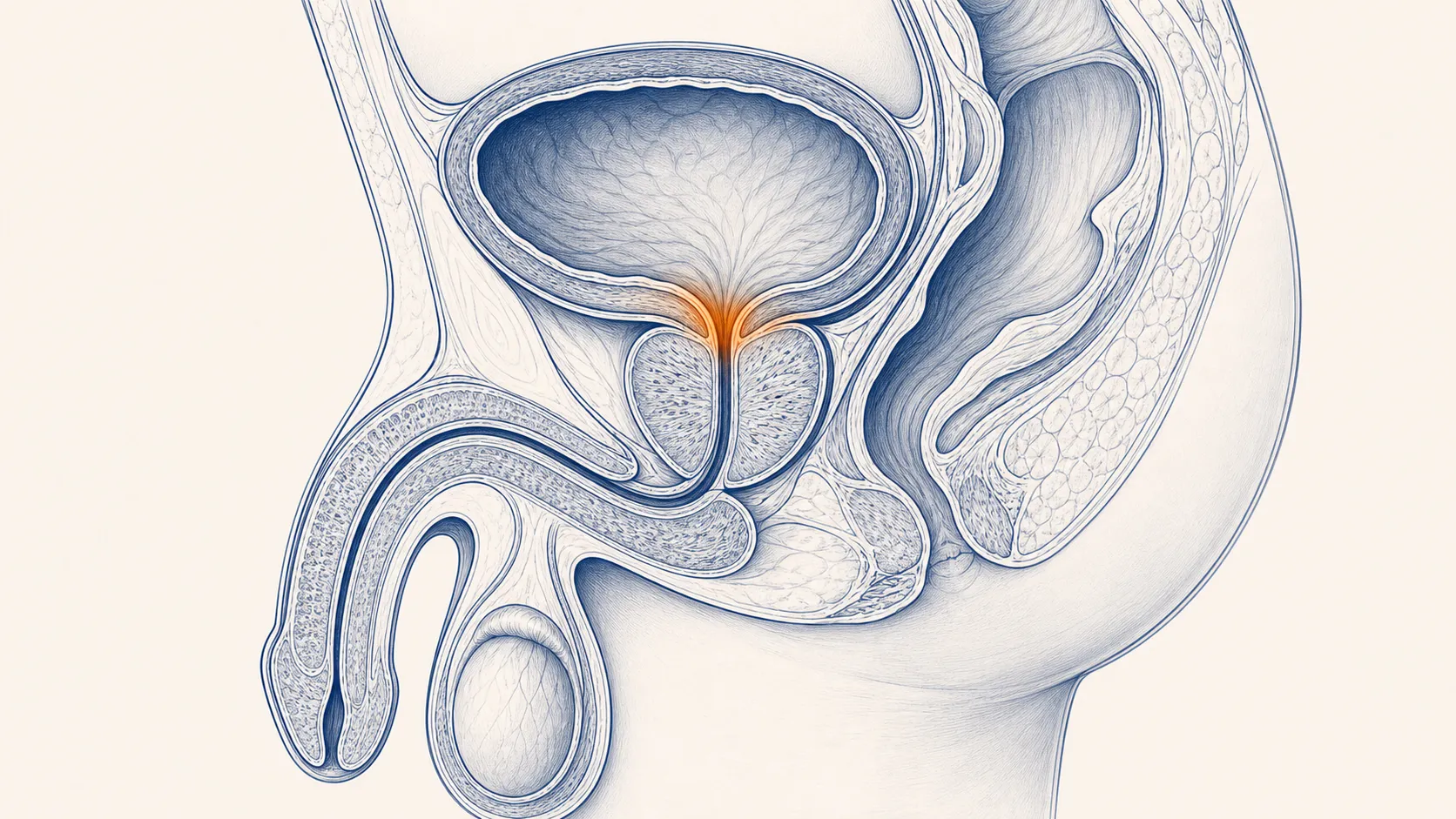
Bladder neck contracture (BNC) is scar tissue formation at the bladder neck after TURP, narrowing the outlet and causing recurrent obstructive symptoms — often years after the original procedure.
Current treatment limitations
Most existing BNC treatments carry significant trade-offs. No major commercial MIST brand has a BNC indication.
Repeat TURP incision
Cuts the scar tissue but carries high recurrence risk. Thermal energy may cause additional scarring.
Traditional balloon dilation
Single-balloon mechanical stretch without precise positioning — often provides only temporary relief.
Open reconstruction
Highly invasive surgical revision — long recovery, reserved as last resort after failed alternatives.
Why TUCBDP for BNC?
The three-balloon design uniquely addresses the precision requirements of BNC treatment — a completely unserved niche among commercial brands.
Precision targeting
Positioning balloon locks at bladder neck + anchoring balloon at distal reference point — dilation zone stays exactly on the contracture site.
No thermal, no resection
Pure mechanical dilation avoids additional scar tissue formation. Preserves remaining bladder neck tissue.
1-2 training sessions
Standardized three-step protocol. New practitioners become independent after 1-2 training sessions — versus 3-6 months for traditional techniques.
Why other MISTs can't address BNC
Every major commercial MIST brand has a structural reason for not covering post-TURP bladder neck contracture.
Clinical evidence
Data from published peer-reviewed studies supporting TUCBDP's safety and efficacy profile.
Managing BNC cases?
Request a product demonstration or clinical discussion about TUCBDP for bladder neck contracture.