
How to choose a BPH treatment.
The right BPH treatment depends on your priorities — not just your prostate size. These five questions help you match a procedure to what matters most to you.

Five questions to ask yourself
What matters most to you?
Rank your priorities: ejaculation preservation, symptom relief, recovery speed, avoiding general anesthesia, no implants, or cost. No procedure maximizes all of them — knowing your top two narrows the field quickly.
What does your anatomy allow?
Prostate size, lobe configuration, and presence of a median lobe all affect which procedures are technically feasible. Ask your urologist to explain your specific anatomy and which options it rules in or out.
Can you tolerate general anesthesia?
If you have cardiac or pulmonary conditions that make general anesthesia risky, you'll want a procedure done under local anesthesia with sedation. TUCBDP, UroLift, and iTind all fall into this category. TURP and laser procedures generally require general or spinal anesthesia.
Are you comfortable with a permanent implant?
UroLift leaves small permanent implants in the prostate. Most patients tolerate them well, but some experience encrustation, discomfort, or need removal. If the idea of a permanent foreign body concerns you, non-implant options include TUCBDP, Rezūm, and laser procedures.
What is your budget and access?
Costs vary by geography, insurance, and hospital. Beyond the procedure itself, factor in anesthesia fees, facility costs, catheter supplies, and time off work. Some procedures require capital equipment your local hospital may not have — ask what's actually available near you.
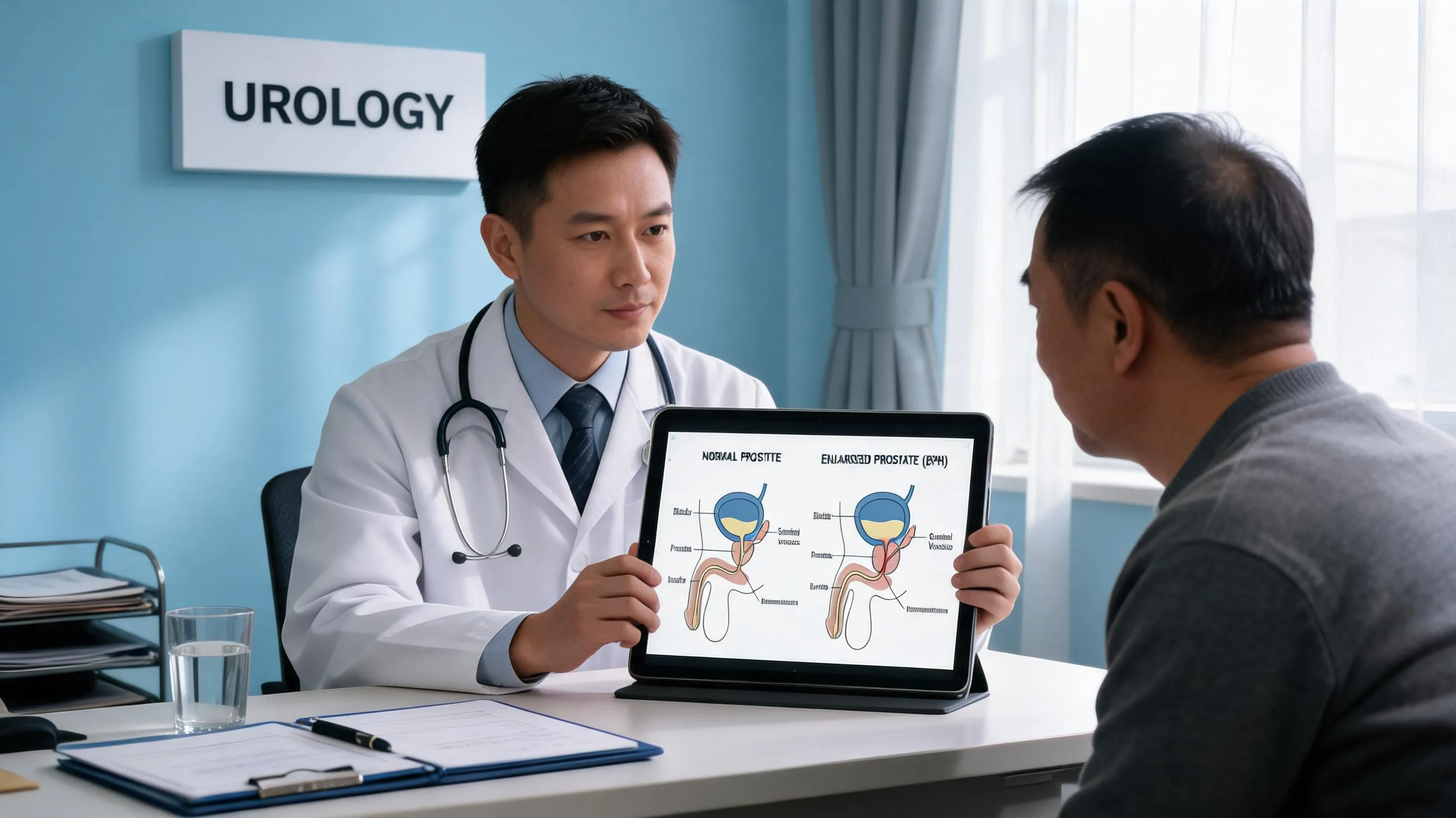
Your doctor consultation checklist
Bring these questions to your urologist appointment:
- 1. Which procedures does my prostate anatomy qualify me for?
- 2. What is my estimated ejaculation preservation rate with each option?
- 3. How many of these procedures have you performed?
- 4. What catheter time and recovery should I expect?
- 5. If this doesn't work, what's the next step — and can I still have TURP later?
Full MIST comparison Sexual function data Anesthesia comparison Patient guide
This framework is for educational purposes. Treatment decisions should be made jointly with a qualified urologist based on your individual medical history and anatomy.